Rhino strongholds
Lewa, Borana, Ol Pejeta and other protected areas in central Kenya play important roles in black and white rhino conservation.
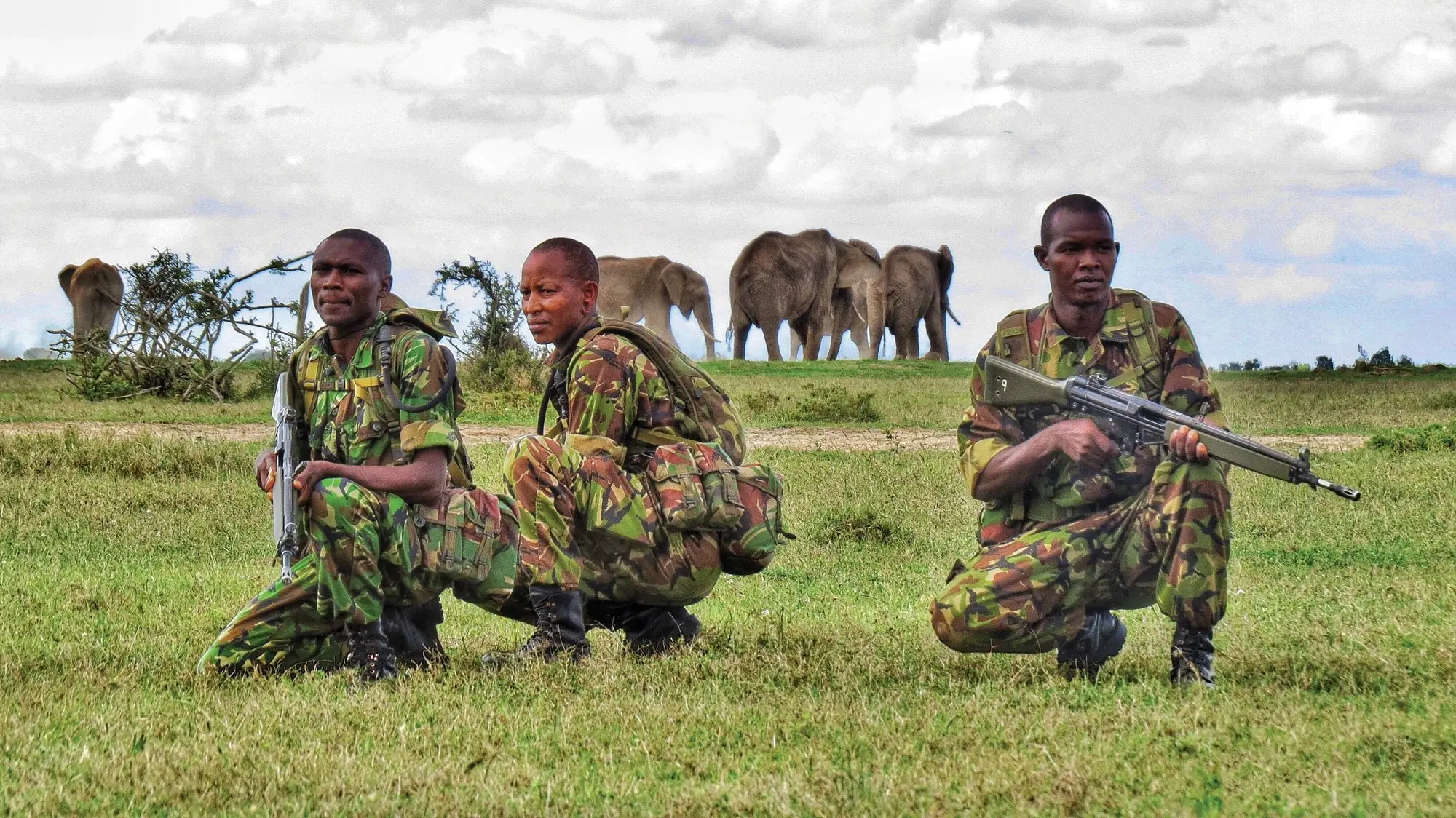
Conservation
Kenya’s conservancies show how wildlife, communities, tourism and working landscapes can coexist—but the details matter.
Our take
Kenya’s conservancies show how wildlife, communities, tourism and working landscapes can coexist—but the details matter.
In Laikipia, long-established rhino programmes and private or community conservancies protect important habitat. In the Mara ecosystem, conservancy leases create income for landowners while limiting tourism pressure. We favour places where conservation is embedded in the operation rather than presented as a staged guest activity.
Lewa, Borana, Ol Pejeta and other protected areas in central Kenya play important roles in black and white rhino conservation.
Tourism can generate lease fees, employment and local investment while helping keep migration corridors and rangelands open.
Ownership, land tenure, local employment and measurable conservation work tell you more than broad sustainability claims.
Where to go
A strong choice for rhino, conservation history and access to guides who can explain the practical challenges of protecting wildlife.
Explore LaikipiaMara model
Mara conservancies balance pastoral land use, wildlife habitat and low-density tourism, while providing a quieter safari experience.
Understand conservanciesWhere to stay
Lewa Wilderness, Borana, El Karama and Segera each offer a different view of conservation, land management and community partnership.
See Lewa WildernessA sensible shape
Start planning
We will help you shape the right route before preparing a detailed proposal.
Start planningor call +44 (0) 1235 635749