A realistic starting point
For a tailor-made Kenya safari of roughly seven to ten nights, a sensible starting point is around £5,000 per person, excluding long-haul flights. At this level it is possible to combine strong wildlife areas with good-quality camps, domestic flights and private transfers, provided the route is planned carefully.
Peak-season travel, highly exclusive camps, private vehicles and a longer coast stay can take the overall cost beyond £8,000–£10,000 per person. A shorter trip is not always proportionately cheaper because domestic flights, park fees and transfers remain significant.
What is normally included?
Most safari quotations include accommodation, meals while on safari, scheduled game drives, park or conservancy fees, internal flights and road transfers. Drinks and laundry are often included at higher-end camps but not universally, so comparisons need to be made on the same basis.
International flights, visas, travel insurance, premium drinks, tips and personal purchases are normally separate unless expressly stated.
The biggest influence: season
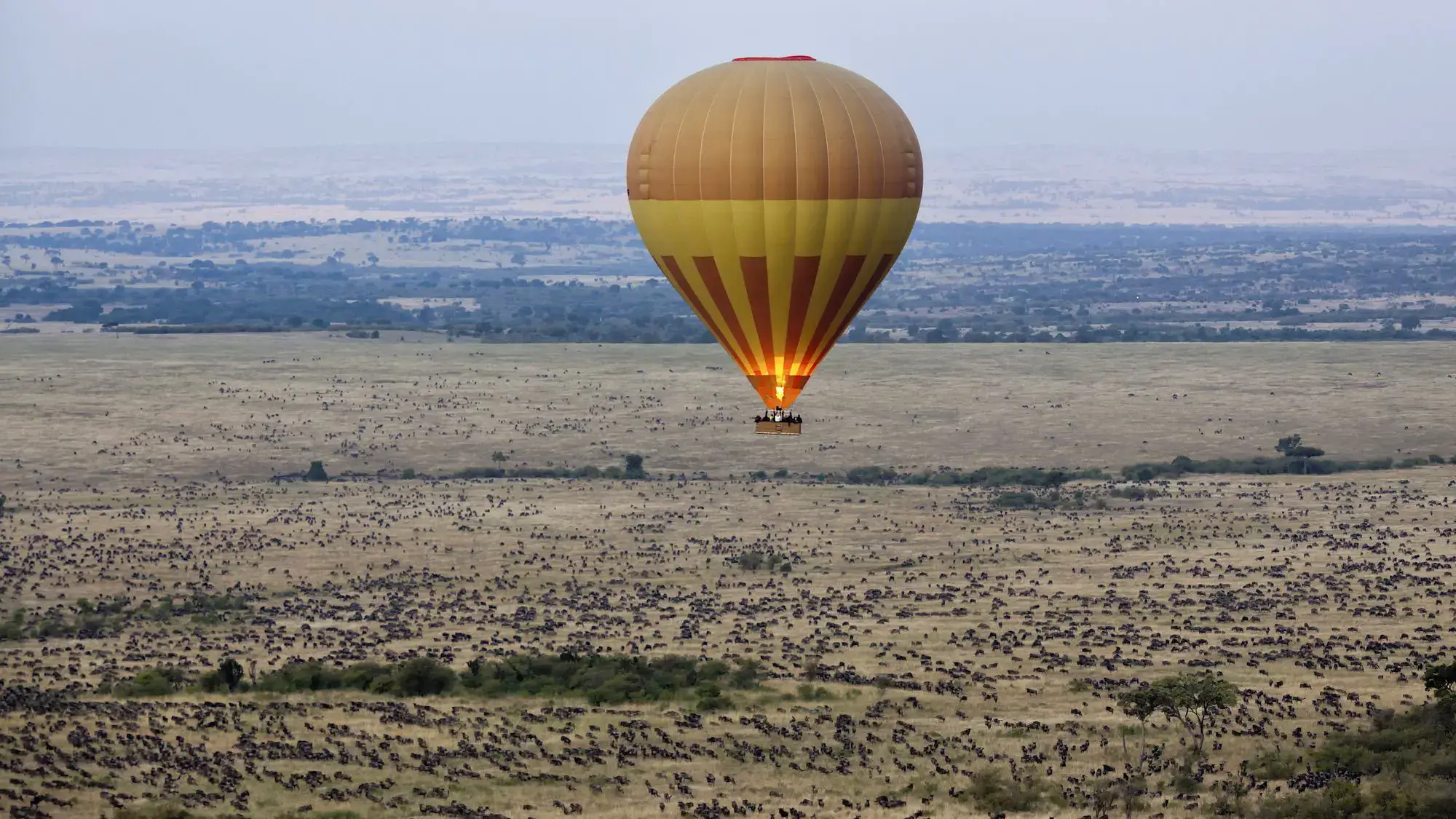
July to October is the most expensive period in the Maasai Mara because it overlaps with the Great Migration and major international school holidays. Christmas, New Year and parts of February can also command premium rates.
January to March and November can offer excellent wildlife viewing with lower camp rates, although the exact value depends on the region. April and May are usually the lowest-priced months, but heavier rain and temporary camp closures need to be considered.
Camp style and location
A camp inside the national reserve, one in a private conservancy and a private house in Laikipia can have similar-looking rooms but very different operating costs and inclusions. Conservancy fees support low-density land use and often provide night drives, walking and controlled vehicle numbers.
The strongest value is not necessarily the cheapest bed. Guiding quality, vehicle policy, location and the time lost reaching wildlife can matter more than an elaborate room.
Flying versus driving
Flying between Nairobi and the main safari areas saves substantial time and is usually included in a higher-quality itinerary. Road transfers can reduce the headline cost on some routes, but long drives may use valuable holiday time and are not always comfortable.
A good itinerary mixes flying and driving only where the road journey adds something, such as linking Amboseli with the Chyulu Hills or travelling between neighbouring conservancies.
How to use your budget well
Stay longer in fewer places, prioritise the guide and wildlife area, and be clear about which luxuries matter to you. Four nights in one excellent conservancy camp will usually produce a better safari than two nights each in several famous properties.
For many travellers, the best balance is one or two safari areas followed by the Kenyan coast. We explain the trade-offs before quoting, so the final route reflects the experience you want rather than an arbitrary nightly target.